
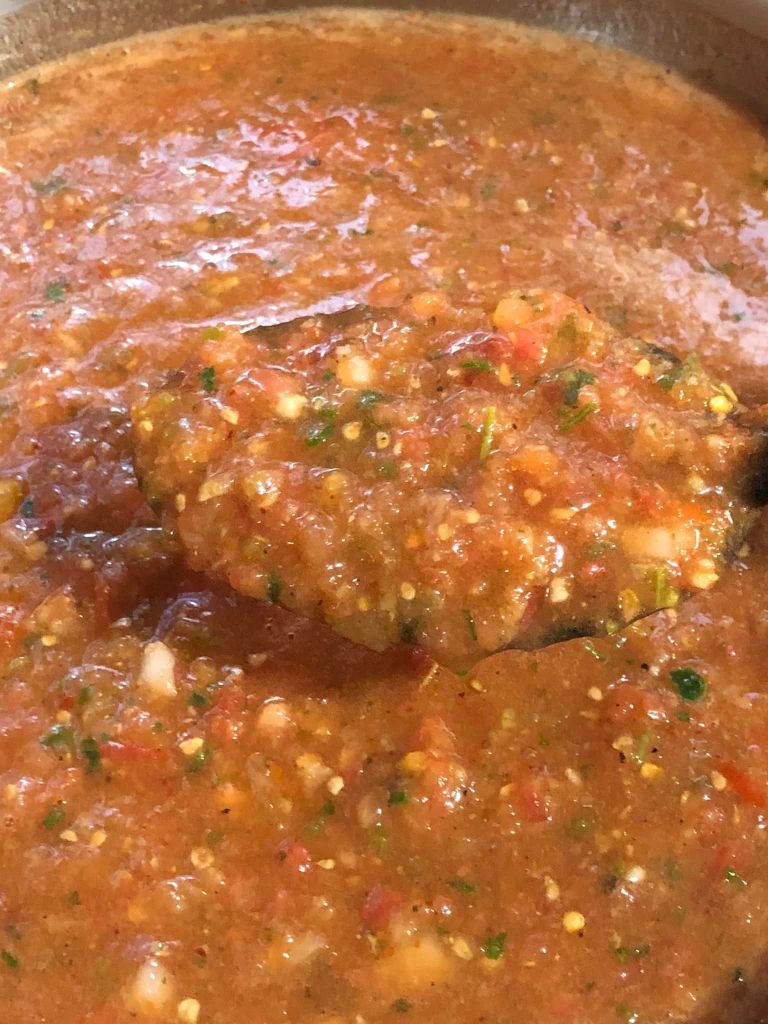
There are many forms of food that you can create from what we consider nothing. “Nothing worth using.”
Although there are many vegetables or even fruits that you can transform into something new. People don’t know “how” to make these things based on what you need or looking to store.
We are conditioned to only see what is in front of us; we were taught and told, yet we are not shown what our ancestors had always done that kept sustainability within their household. The US is known as one of the fastest-growing economies in the world, yet we waste more food worldwide, and people are still starving.
How to come back from starvation in America as well as worldwide. How to understand that the fast food restaurant is not the first place to go when hungry When things at home are much more affordable, and a quick meal that will only last for a moment.
There are also substitutions, which are a part of sustainability. When one cannot have what others can, one has to replace it with another item to sustain one’s needs. For instance, flour. Flour, for some people, and its process make it harder for others to consume due to its chemical compounds and ingredients.
Almond flour or coconut flour is unique to many people who didn’t know of it’s excistence. What it can be used for, or why people use it instead of whole wheat or bleached flour. People also have certain reactions to regular processed food that require an alternative replacement.
Replacement ingredients have always been around, but had stopped being spoken about due to companies and corporations who are built up a reputation within the public eye. The promotion of fast food and quick meals to sit-down restaurants, avoiding home cooking. Since the early 2000 the push has become the shove within the industries as mom and dad who are working and brother and sisters who are having to find their way around the kitchen. The ideal notion of stopping off at your local restaurant, not truly understanding the ingredients that you are taking into the body maybe more harmful than we think.
There is also the waste not what not theory, which came to be true. Salvaging your fruits or vegetables and freezing them before they turn. Or taking those items when they are no longer usable and transferring them into compost for a garden.
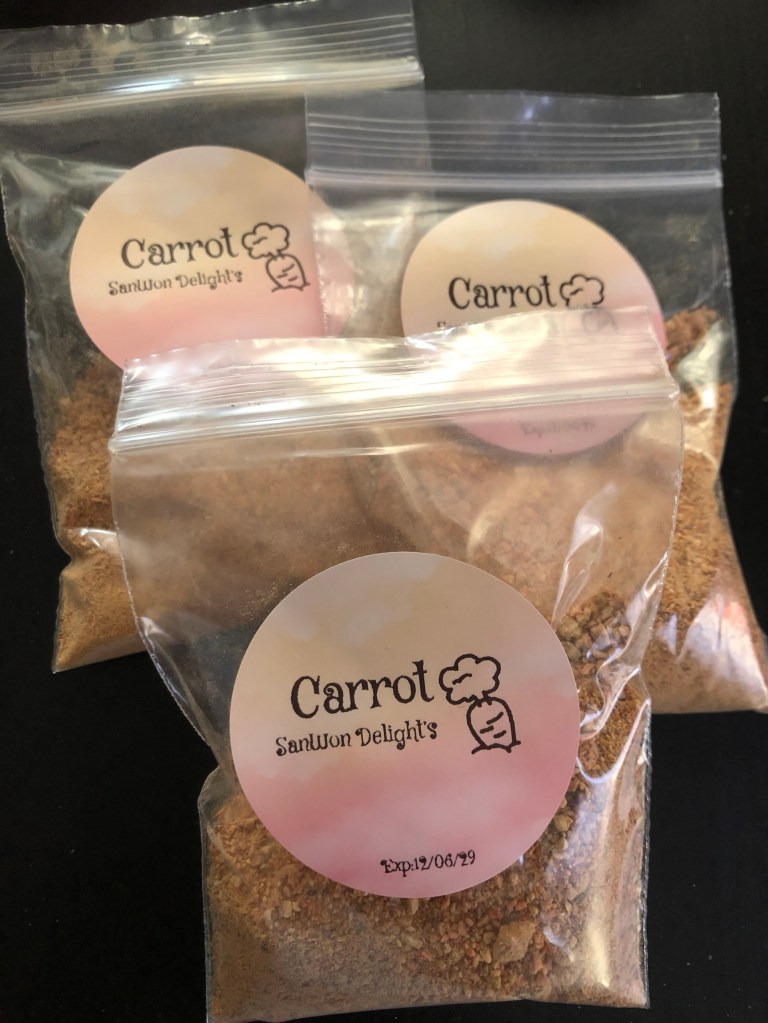
Vegetables for vegetable stock, as you salvage parts of those pieces till you’re ready to use. Transformed into a homemade spice or creative topping.
Chicken, beef, or pork bones, as you transfer those as well into a stock.
Fruits are transformed into juice, jelly/jam, and fruit leather. They can be used in pastries, as hot cereals, and in drinks.
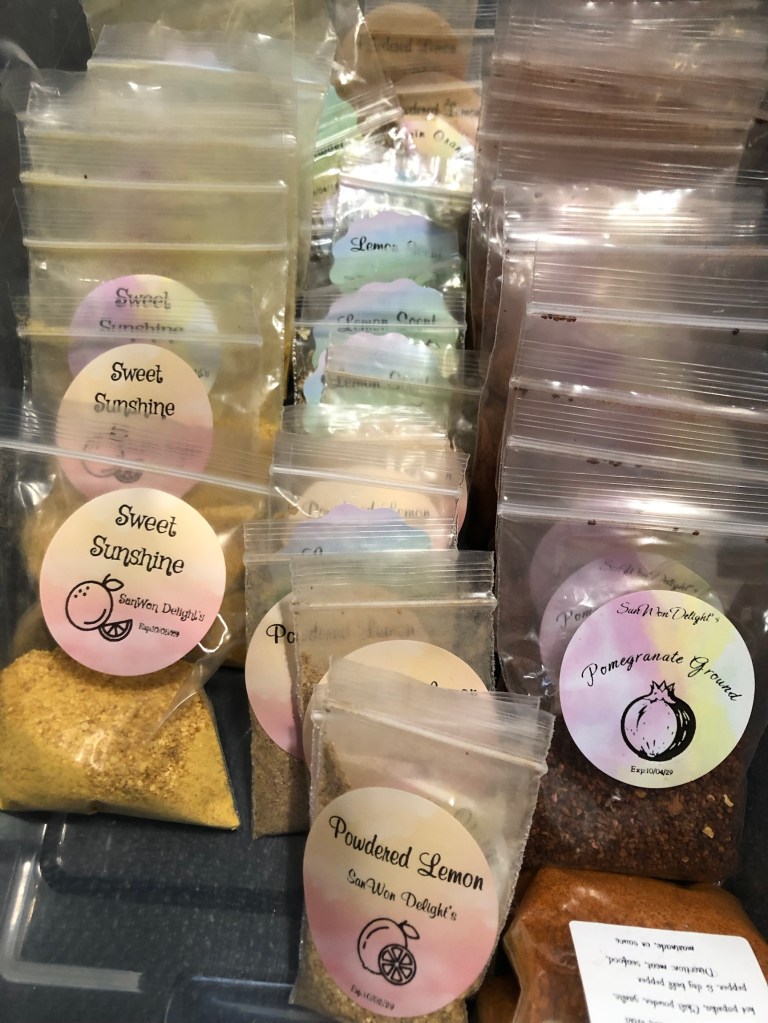
Many things can be changed from something at once was as we assume it is nothing anymore, now either spice, seasoning, herb, or a treat.
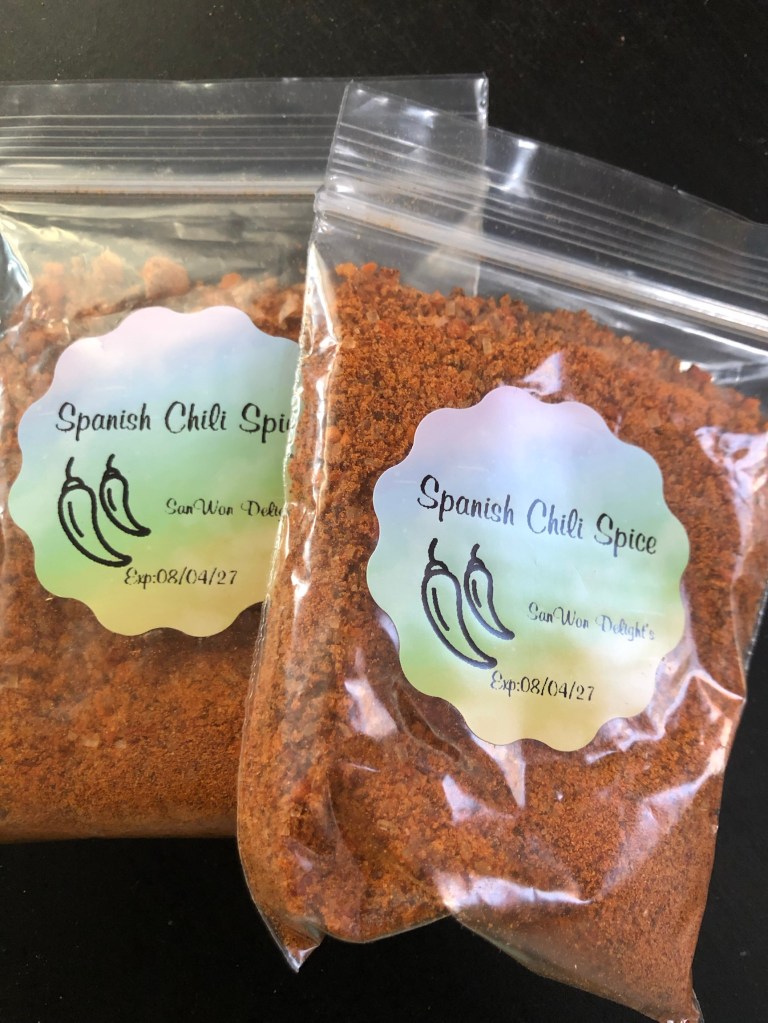
Culture and traditional herbs and spices have been used for centuries throughout the world and have passed from generation to generation. Based on history and cultural factors, stepping back to the basics is a benefit, not only healthwise, but also allows these ideas and methods to be moved forward to the next generation. 
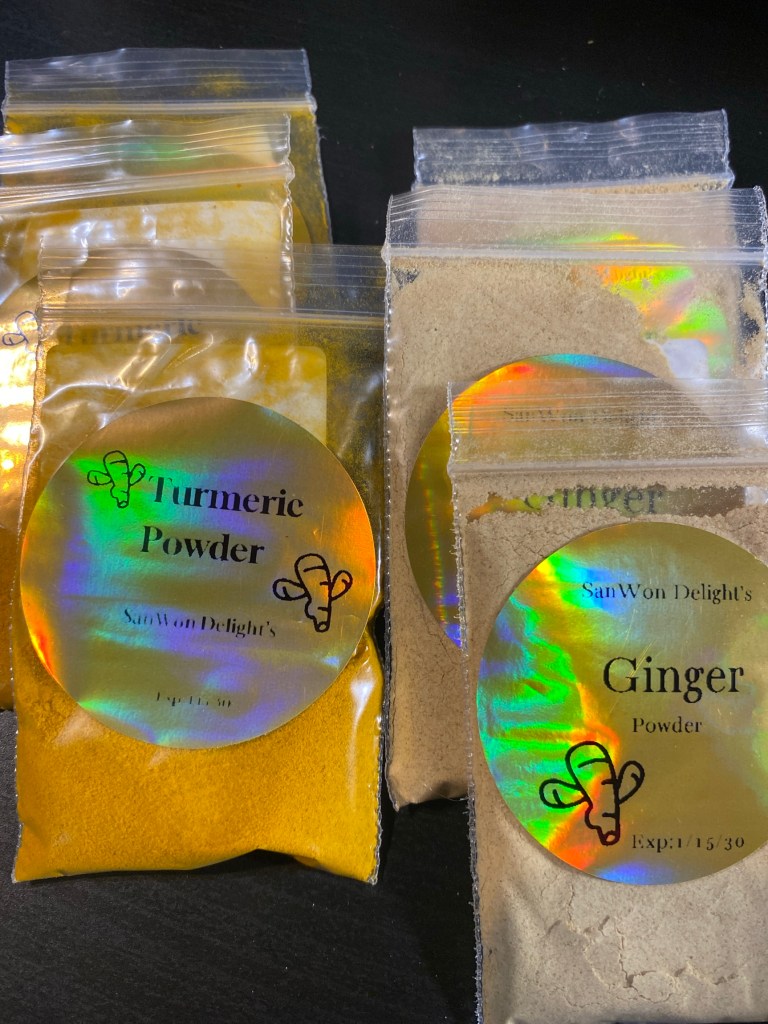
The taste of seasoning and spices in the way the lay with one’s own taste buds is heaven-sent. Try out your favorite and see what brightens your idea of seasonings and spices.
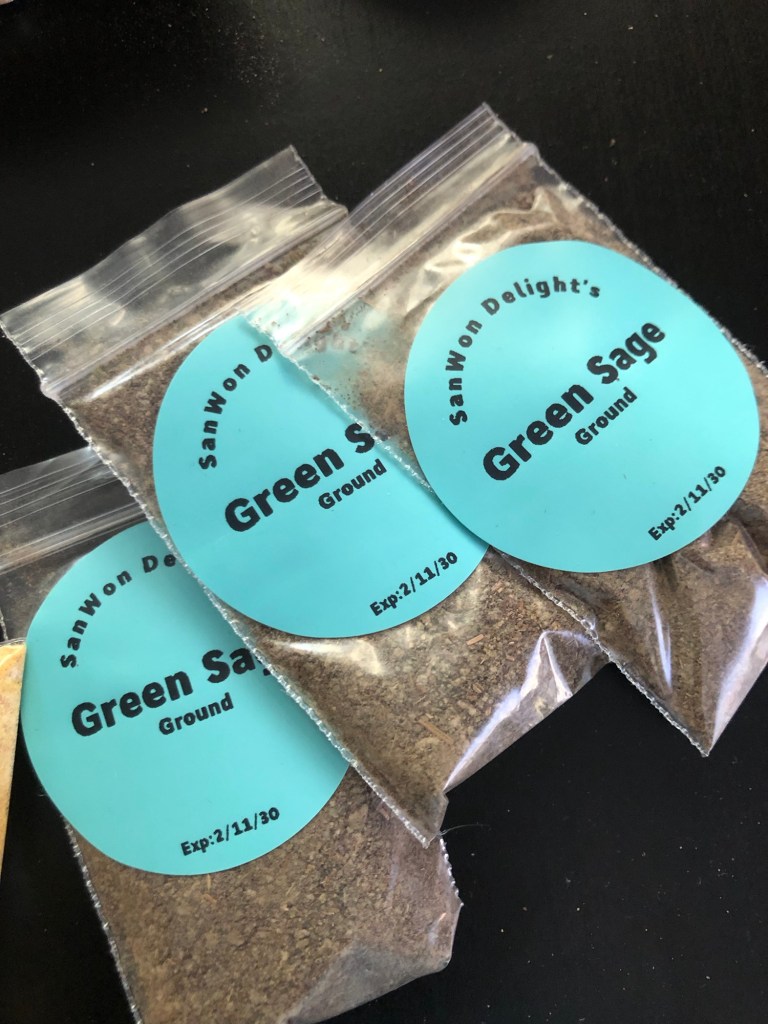
Many different herbs you will find have many healthy options. Herbs from all over the world base on one’s need and what ability they are good for can pervade amazing factors for not just health and food.
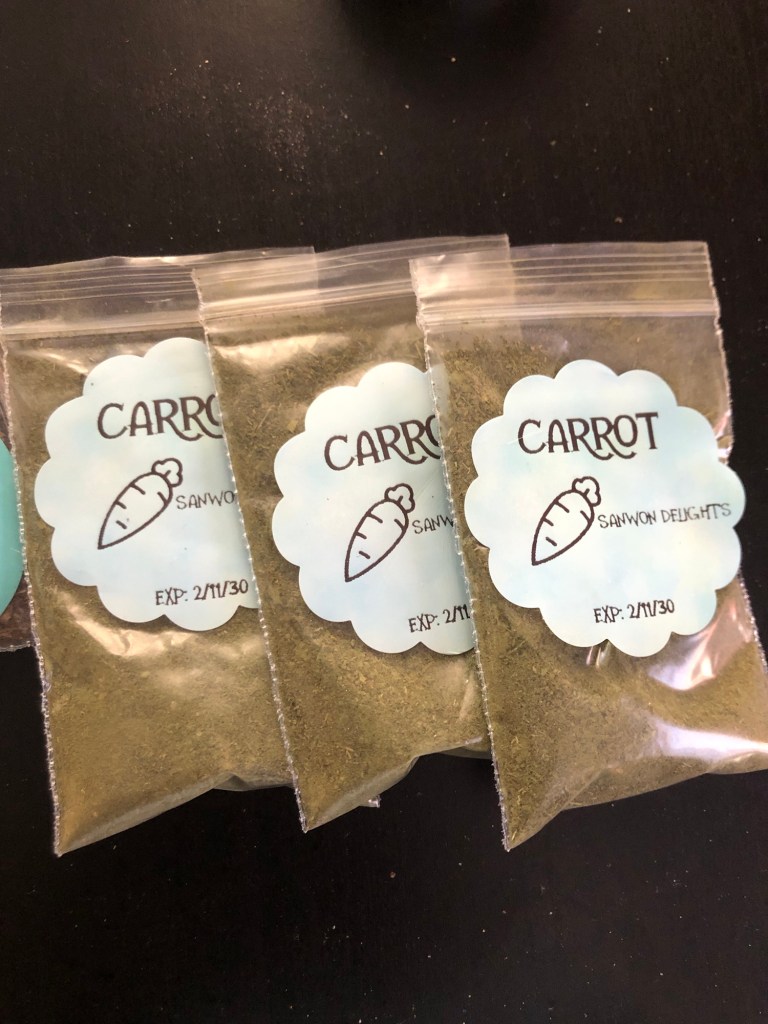
Carrot leaves are not just for the chickens. Carrot leaves can be used to make pesto, as well as decor, inside a dressing, or even towards a salad, pasta, or potatoes.
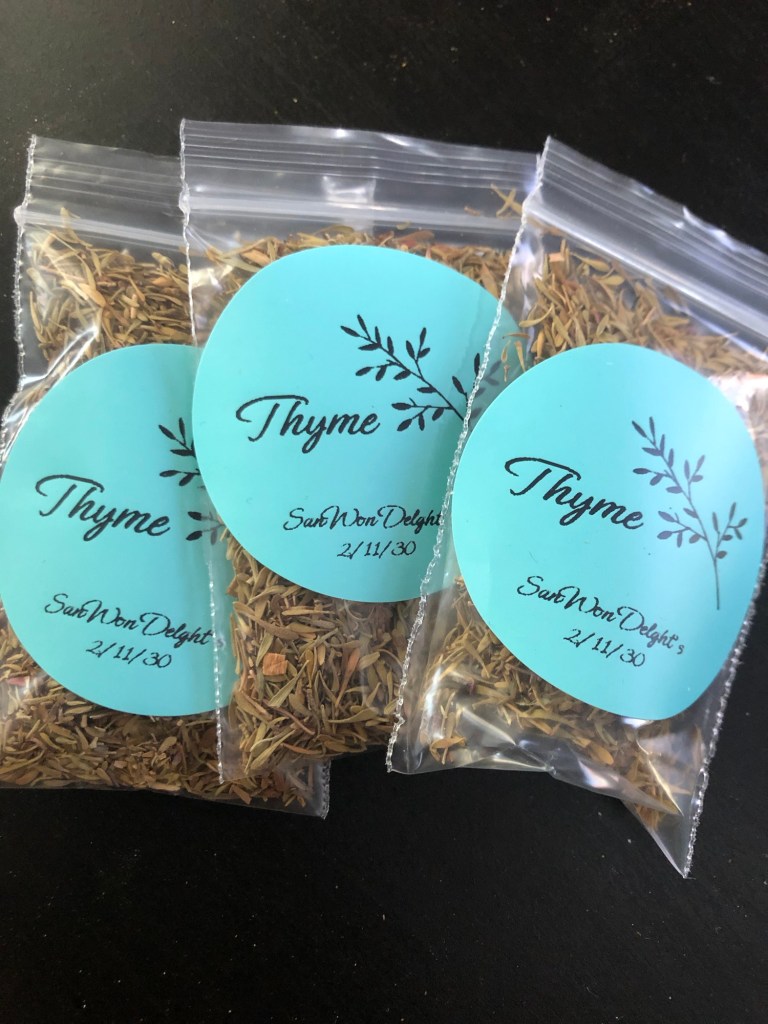
There are many different kinds of Thyme. From the original, orange, lemon, many others worldwide.
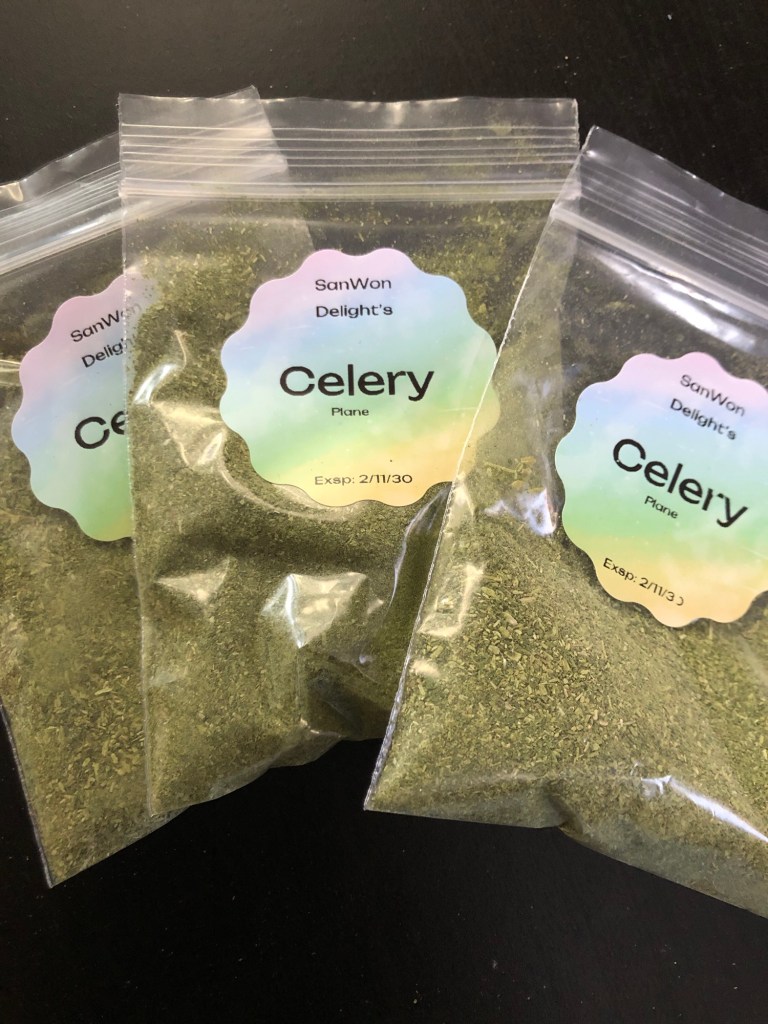
How to create a seasoning by way of a single vegetable. Celery and salt is known a one seasoning you can buy at the store. You can also play with these very seasoning to make your own flavors to your liking.
 Written Love & Sweet Garden